

Rust Protection
Protection That Gets
Where Rust Starts.
Krown is a penetrating rust inhibitor that reaches seams, joints, and hidden areas where moisture and road salt collect. It doesn’t dry into a hard coating or cover up what’s already there. It gets into the places rust begins and helps protect your vehicle from the inside out.
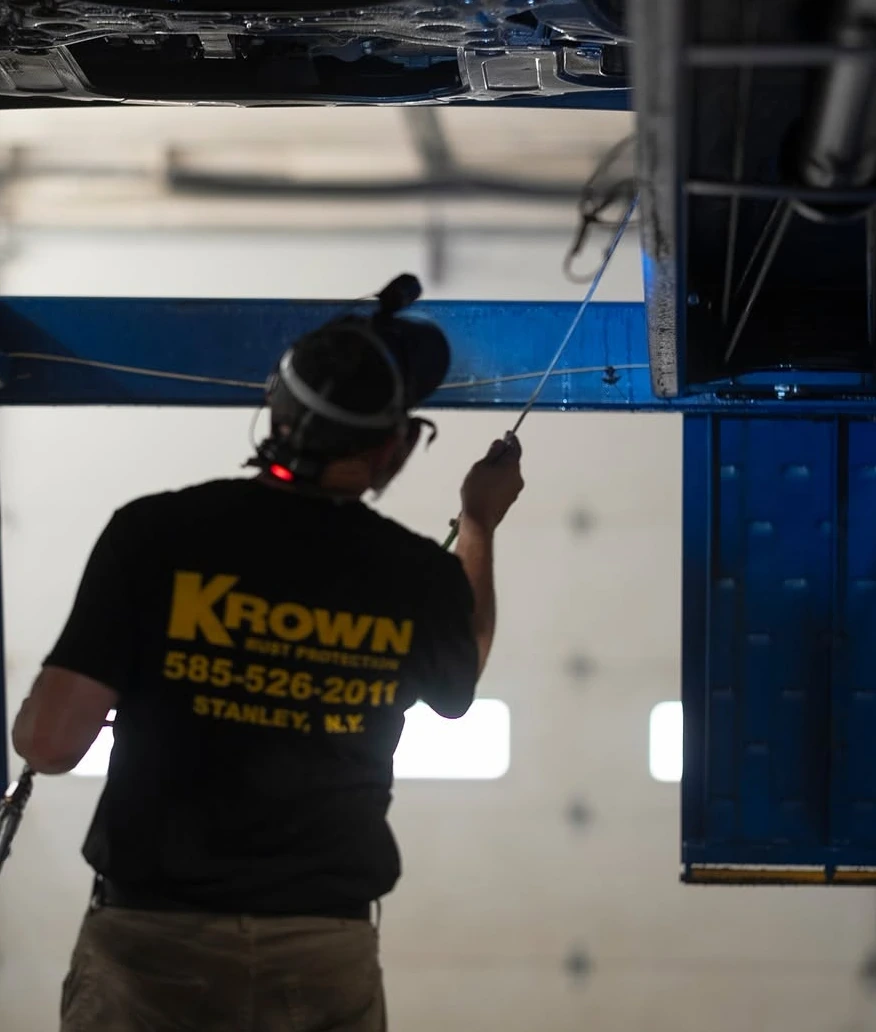
How Krown Works: Thin Enough to Reach the Places Water Can.
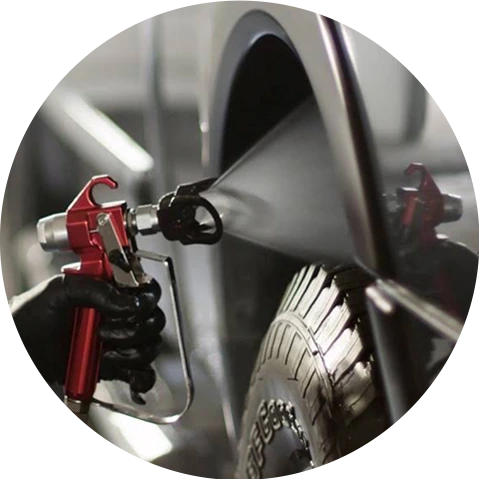
Krown is designed to move into tight seams, around spot welds, and throughout enclosed areas of your vehicle.
In our area, constant temperature fluctuations create condensation inside your doors and on the back sides of your inner panels.
As it reaches the metal, it pushes moisture away and leaves behind an active, moisture-resistant layer. Because it doesn’t dry or harden, it continues moving into areas a thick coating may never reach.
It Penetrates
Krown moves deep into seams, joints, and enclosed spaces.
It Displaces Moisture
The product lifts moisture away from the metal surface.
It Stays Active
Krown doesn’t dry into a hard shell that can crack or chip.

Salt Gets Everywhere.
New York winters are hard on vehicles. Salt, water, and road grime work their way into door seams, rocker panels, wheel wells, frame rails, and other areas you rarely see.
Once moisture reaches bare metal, corrosion begins. And because much of it starts inside enclosed spaces, rust may already be spreading before it becomes visible.
Washing your vehicle helps, but water alone can’t reach—or fully protect—every hidden area. That’s where Krown comes in.
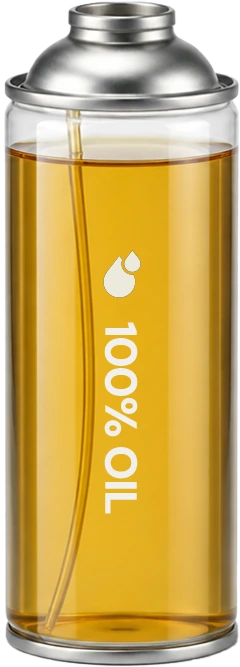
It’s an Oil, Not a Coating.
Traditional undercoating creates a hard layer over the surface.
That may look clean when it’s first applied, but if the coating cracks, chips, or separates, moisture can find its way underneath.
And once that happens, the coating can make it difficult to see what’s going on below it.
It is an environmentally friendly oil and safe for the environment.
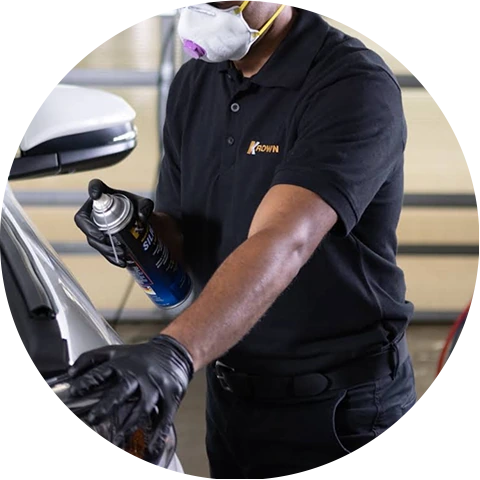
Krown works differently. Its thin formula penetrates instead of simply covering. It reaches hidden areas, remains active, and allows the condition of the metal to remain visible.
Oil vs. Traditional Undercoating
Krown Rust Protection
- Environmentally friendly
- No solvents
- Penetrates seams and enclosed areas
- Pushes moisture away from metal
- Remains active after application
- Does not dry, crack, or chip
- Can be reapplied without removing the previous treatment
- Dielectric up to 40,000 volts
Traditional Hard Coatings
- Primarily protect the covered surface
- May not reach tight seams or cavities
- Can crack, chip, or separate over time
- May allow moisture underneath
- Can hide developing corrosion
What We Protect
More Than the Underside.
Rust doesn’t stay in one place, so neither does the treatment. Our crew applies Krown throughout the vulnerable areas of your vehicle, including:
-
Frame and
underbody - Doors and internal cavities
- Rocker panels and fuel-line areas
- Wheel wells and fenders
-
Hood and trunk
areas - Suspension components
- Electrical and battery parts
- Cables, fasteners, and other components
The exact application depends on the vehicle. Our crew knows where to look and how to reach the areas most likely to hold moisture.
New Vehicle?
Start Before Rust
Does.
Annual Krown treatments help prevent moisture and salt from reaching exposed metal and give new vehicles protection from the beginning.
Qualifying new vehicles may also be eligible for Krown’s warranty program. Ask our team for the current requirements and coverage details.

The best time to protect a vehicle is before corrosion begins.
Already Got Rust?
It Isn’t Too Late.
Most of the vehicles that come through our shop aren’t brand new.
Krown cannot repair metal that has already been damaged, but it can penetrate existing corrosion, push out moisture, and help slow further deterioration.
Any company claiming that they will stop rust once it has started is not being honest with you.
What Happens During an Appointment
About an Hour, Once a Year.
-
We Review the Vehicle.
Our crew checks the vehicle and determines the best way to reach its rust-prone areas.
-
We Access Hidden Spaces
Small access holes may be needed to reach enclosed areas such as doors and rocker panels.
Any holes created are fitted with clean, permanent plugs.
-
We Apply Krown Throughout
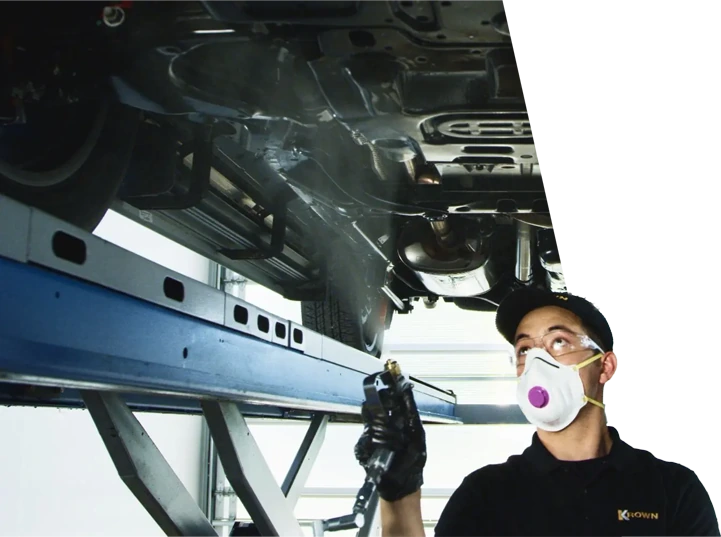
The product is applied to the underside, body cavities, seams, joints, and other vulnerable components.
-
You’re Back on the Road
Most appointments take about an hour.
Your vehicle enters through the back of our drive-through shop and leaves through the front.
A Little Dripping Is
Normal.
Krown is thin enough to travel into seams and enclosed spaces. Once those areas have been reached, a small amount of excess product may drip from the vehicle.
Most dripping occurs during the first 24 to 48 hours. We recommend parking on gravel, grass, or another unpaved surface during that time.
Krown is solvent-free and environmentally friendly.

Why Annual Treatment Matters
Rust Protection Isn’t One and Done.
Your vehicle faces moisture, heat, road salt, car washes, and thousands of miles of everyday driving. Over time, exposed areas need renewed protection.
An annual Krown application restores coverage and helps keep the product active throughout the vehicle. It takes about an hour, once a year—and it can help you keep your vehicle longer.

Questions & Answers
Can Krown Be Applied at Any Time of Year?
Yes. Krown can be applied in any season. If your vehicle isn’t currently protected, the best time to start is now.
Does Krown Work on Existing Rust?
It can penetrate corrosion that has already started and displace moisture to help slow further deterioration. It cannot repair damaged metal or undo existing rust.
Will You Drill Holes in My Vehicle?
Some vehicles need small access holes so the product can reach inside doors, rocker panels, and other enclosed spaces. If access holes are needed, our crew fits them with permanent plugs.
Why Does the Product Drip?
The oil stays thin enough to move into hidden seams. Excess product can drip after application, usually during the first 24 to 48 hours. Park on gravel, grass, or another unpaved surface while it drips.
How Long Does an Appointment Take?
Allow about an hour for most vehicles. You can drive away when the application is finished.
How Often Should My Vehicle Be Treated?
Have Krown reapplied once a year. Annual application renews coverage on exposed areas and keeps the product active throughout the vehicle.
Rust Doesn’t Wait.
Neither Should You.
Whether your vehicle is brand new or already showing signs of rust, there’s no better time to start protecting it.
